
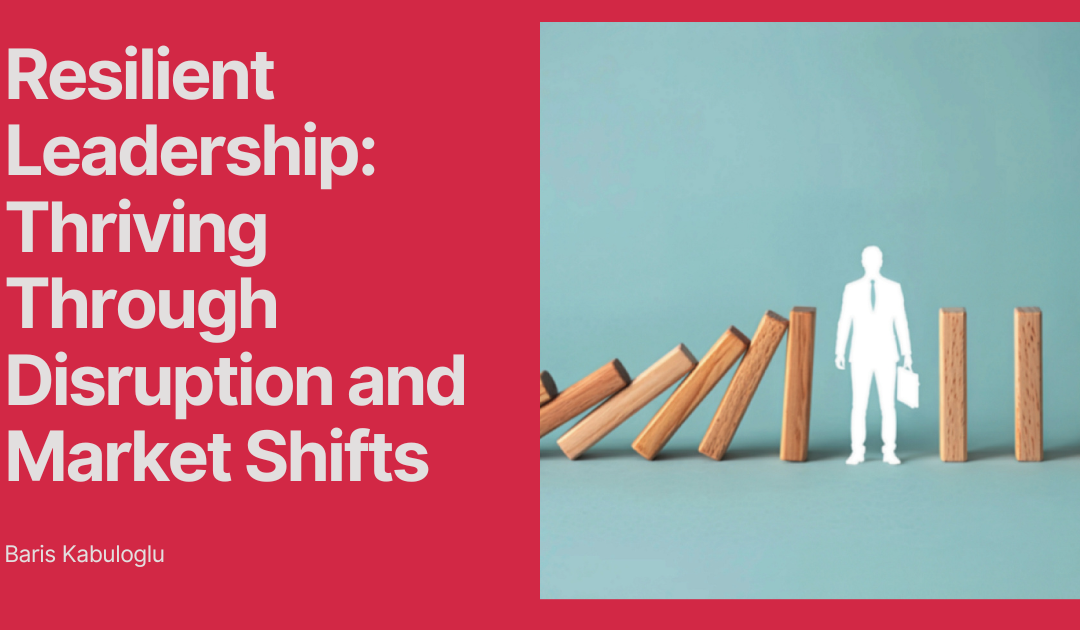
Change is no longer an occasional challenge in business—it’s the constant backdrop. From economic volatility and technological breakthroughs to shifting customer expectations, leaders today are navigating an environment defined by uncertainty. In this landscape, resilience isn’t just a desirable trait; it’s a core leadership capability. Resilient leaders don’t simply endure disruption—they use it as a catalyst for growth, innovation, and long-term success.
Adapting with Clarity in Uncertain Times
At its core, resilient leadership is about adaptability. It requires the ability to respond to unexpected challenges without losing direction or momentum. This doesn’t mean having all the answers. Instead, it means cultivating the mindset and systems that allow teams to pivot quickly, learn continuously, and stay aligned with a clear purpose.
One of the defining characteristics of resilient leaders is clarity under pressure. During times of disruption, uncertainty can spread quickly across teams, impacting morale and performance. Leaders must act as stabilizing forces, providing clear communication and direction even when the path ahead isn’t fully visible. Transparency becomes critical—acknowledging challenges honestly while reinforcing confidence in the organization’s ability to navigate them. This balance builds trust, which is essential for maintaining cohesion and focus.
Equally important is emotional resilience. Leaders set the tone for how challenges are perceived and handled within their organizations. If leaders react with panic or indecision, it can ripple across teams. On the other hand, leaders who demonstrate composure, optimism, and a solutions-oriented mindset foster a culture of confidence and determination.
Driving Innovation Through Strategic Flexibility
Another key aspect of resilient leadership is strategic flexibility. Long-term vision remains important, but rigid plans can quickly become obsolete in a rapidly changing environment. Resilient leaders understand the importance of setting strategic priorities while remaining open to recalibration. They focus on outcomes rather than fixed processes, allowing teams to adjust their approaches as conditions evolve.
Innovation plays a crucial role here. Disruption often exposes gaps, inefficiencies, or unmet needs within markets. Resilient leaders view these moments as opportunities to innovate rather than obstacles to overcome. By encouraging experimentation and reducing the fear of failure, they create an environment where new ideas can flourish. This mindset transforms disruption from a threat into a competitive advantage.
Technology further supports this adaptability. Digital tools can enhance agility, improve decision-making, and streamline operations. However, resilient leadership goes beyond simply adopting new technologies. It involves integrating them thoughtfully into workflows and ensuring teams have the skills and confidence to use them effectively.
Building Strong Teams and Purpose-Driven Cultures
Resilience is not built in isolation—it thrives in strong, empowered teams. Leaders who invest in their people create organizations that are better equipped to handle uncertainty. This includes fostering a culture of collaboration, continuous learning, and psychological safety. When employees feel supported and valued, they are more likely to contribute ideas, take initiative, and remain engaged during challenging times.
Another often overlooked element is reflection. Resilient leaders take time to analyze both successes and setbacks. What worked? What didn’t? What can be improved? This continuous learning loop strengthens the organization’s ability to respond to future challenges.
Importantly, resilience also requires a strong sense of purpose. During periods of uncertainty, purpose acts as an anchor, guiding decision-making and maintaining alignment across the organization. Leaders who clearly articulate and embody this purpose help teams stay focused on what truly matters, even when external conditions are shifting rapidly.
In today’s business environment, disruption is inevitable—but failure is not. Organizations that cultivate resilient leadership are better positioned to not only survive market shifts but to thrive because of them. By embracing adaptability, maintaining clarity, fostering innovation, empowering teams, and staying grounded in purpose, leaders can transform uncertainty into opportunity.
Resilient leadership is not about avoiding challenges—it’s about rising to meet them with confidence, agility, and vision. And in a world where change is the only constant, that capability is what separates organizations that endure from those that lead.